In Maple Ridge, laboratory testing anchors geotechnical understanding in the Fraser Valley’s variable overburden—glacial till, silts, and occasional soft organic soils near the Pitt and Fraser Rivers. Our lab follows CSA and ASTM standards to produce defensible physical properties data. Two foundational index tests are grain size analysis (sieve + hydrometer), which quantifies the full particle-size distribution for classification and filtration design, and Atterberg limits, which define the plasticity range of fine-grained soils critical to assessing shrink-swell and strength behaviour under local moisture regimes.
These tests directly support subdivision earthworks, foundation design, slope stability assessments, and infrastructure trenching across Maple Ridge. The resulting parameters feed into bearing capacity evaluations, compaction specifications, and drainage layer design. Contractors and consultants also pair them with Atterberg limits for consistency checks on imported clay liners or recompacted structural fill, ensuring compliance with the BC Building Code and municipal servicing bylaws.
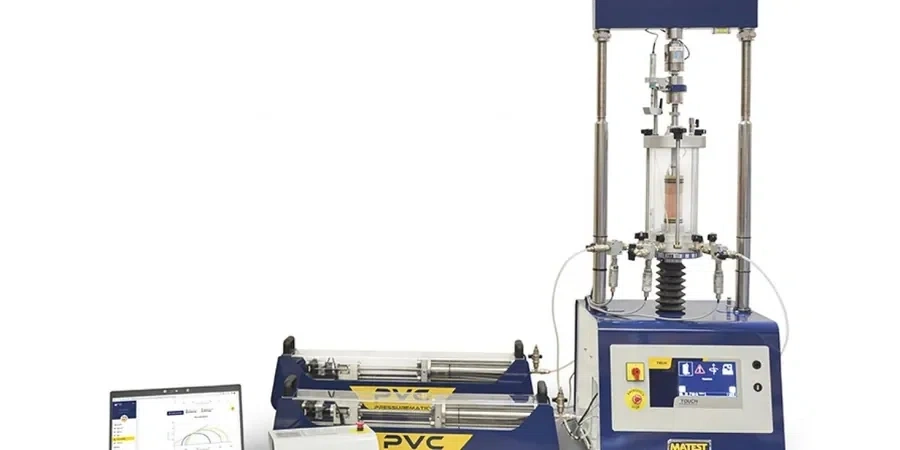
Geotechnical laboratory testing in Maple Ridge forms the critical backbone of site characterization, operating in strict accordance with ASTM, CSA, and BC Ministry of Transportation and Infrastructure standards. The region's complex Quaternary geology—dominated by glacially overridden sediments, glaciomarine silts, and alluvial deposits from the Fraser and Pitt Rivers—demands a rigorous analytical program to quantify engineering properties. A standard laboratory assignment often begins with a comprehensive geotechnical investigation, where disturbed and undisturbed soil samples are carefully recovered for subsequent analysis, directly informing foundation design and seismic response assessments in this seismically active zone.
Our testing methodology follows the Canadian Foundation Engineering Manual and relevant ASTM procedures to determine fundamental index and mechanical properties. Classification testing typically includes grain size analysis combining mechanical sieving for coarse fractions and hydrometer sedimentation for fines, critical for identifying potentially liquefiable silty sands. The Atterberg limits determination precisely defines the plasticity characteristics of the prevalent glaciomarine clays and silts, directly correlating to shrink-swell potential and undrained shear strength. These index tests are complemented by mechanical testing such as unconfined compression, triaxial shear, and one-dimensional consolidation, all calibrated to replicate the in-situ stress conditions we verify through cone penetration testing correlations.
Typical Maple Ridge projects leverage advanced laboratory programs to mitigate specific geohazards. For residential subdivisions on the sloping upland terraces, consolidation testing on the sensitive glaciomarine silts is essential to calculate long-term settlement and assess slope stability. For commercial and industrial developments within the floodplain, strength testing of alluvial sands and gravels provides the design parameters for deep foundations, while chemical analysis identifies potential sulfate attack on concrete. These data-intensive programs are frequently paired with In-Situ to calibrate field measurements like standard penetration resistance against direct shear strength, ensuring a conservative and reliable site-specific ground model for structural engineers.
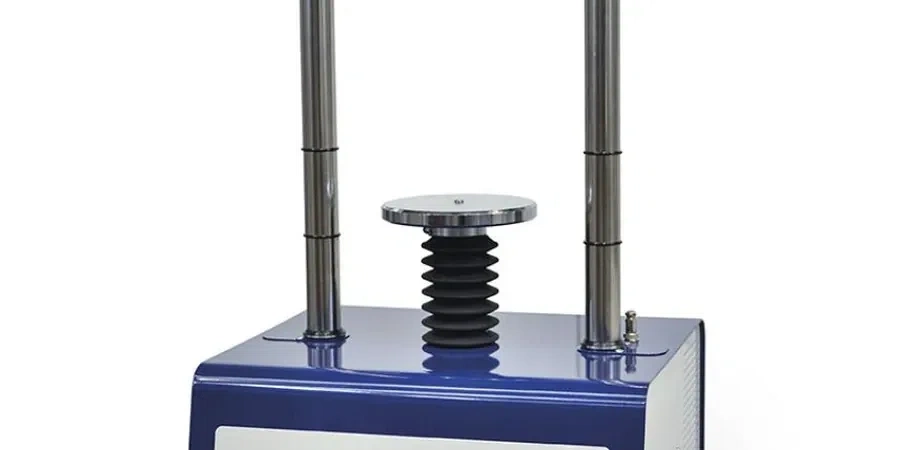
The laboratory process initiates with meticulous sample chain-of-custody and visual logging, progressing through the client-approved testing matrix to a comprehensive factual and interpretive report. Our deliverables present tabulated data, stress-strain curves, and derived parameters including effective friction angles, preconsolidation pressure, and hydraulic conductivity. By integrating these results with field observations from a field density test using the sand cone method and other in-situ assessments, we provide a complete geotechnical model that reduces uncertainty, optimizing both shallow and deep foundation designs while ensuring full compliance with the BC Building Code and Metro Vancouver bylaws.