Foundation design in Maple Ridge must address the complex glacial till and alluvial soils prevalent across the region, where variable bearing capacities and high groundwater frequently challenge conventional approaches. Our practice interprets the BC Building Code and geotechnical site classifications to deliver safe, constructible substructures. We often integrate pile foundation design when near-surface silts and clays demand deep load transfer to competent strata, ensuring long-term stability for residential and commercial builds alike.
From hillside custom homes requiring stepped footings to multi-storey mixed-use developments on soft Fraser River deposits, every project benefits from a geotechnically validated base. For sites with expansive or compressible layers, our Improvement solutions mitigate settlement before construction begins. This category also closely aligns with retaining structure engineering, where foundation loads interact with lateral earth pressures on sloped Maple Ridge lots.
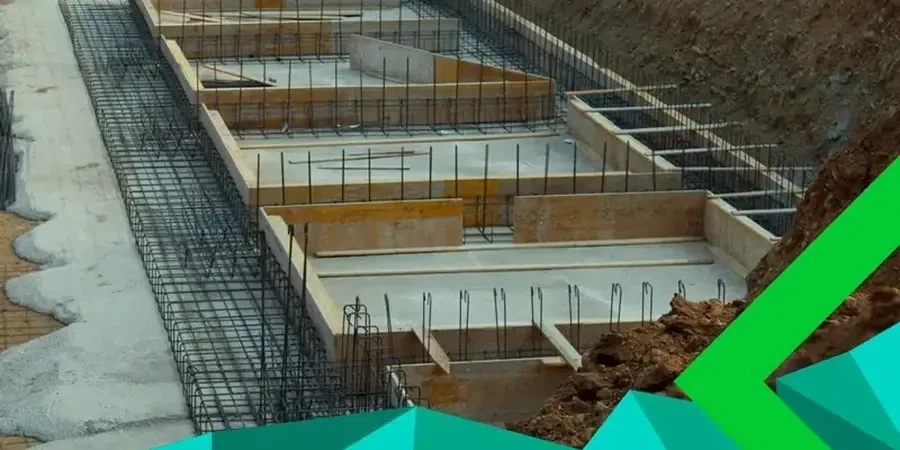
Foundation engineering in Maple Ridge requires a thorough understanding of both the subsurface conditions and the regulatory framework that governs construction in this part of the Lower Mainland. The area's geology is complex, shaped by the Fraser River and glacial activity, resulting in a variable profile of glaciomarine silts, sands, tills, and pockets of organic soils. A proper geotechnical investigation is the critical first step to identify these materials and their engineering properties, directly informing a safe and cost-effective foundation design. Compliance with the British Columbia Building Code and municipal bylaws is mandatory, and our work strictly adheres to the Canadian Foundation Engineering Manual and relevant CSA standards, ensuring your project meets all local requirements from the outset.
Our methodology for foundation assessment is rooted in rigorous Canadian standardized testing to quantify ground conditions precisely. We deploy direct methods like the Cone Penetration Test (CPT) to obtain continuous profiles of soil stratigraphy and pore pressure, which is exceptionally effective in the soft, compressible soils common near the Pitt and Fraser Rivers. This is complemented by In-Situ and sampling for advanced laboratory analysis. Accurate classification through grain size analysis (sieve and hydrometer) and the determination of Atterberg limits are essential for predicting settlement and bearing capacity. For granular fill compaction control, we perform the field density test (sand cone method), a crucial step for slab-on-grade and footing subgrade preparation.
Typical projects in Maple Ridge, from residential subdivisions in Silver Valley to commercial developments along the Lougheed Highway corridor, present distinct geotechnical challenges. Hillside constructions often require deep foundations to bypass colluvium and reach competent till, while valley-bottom sites demand careful analysis of liquefaction potential and long-term consolidation settlement under structural loads. A comprehensive foundations investigation allows our engineers to provide clear recommendations for shallow footings, raft slabs, or deep foundations like driven piles or helical piers. Each design is tailored to mitigate site-specific risks, such as the presence of sensitive clays or high groundwater tables, ensuring long-term structural performance and durability against environmental factors.
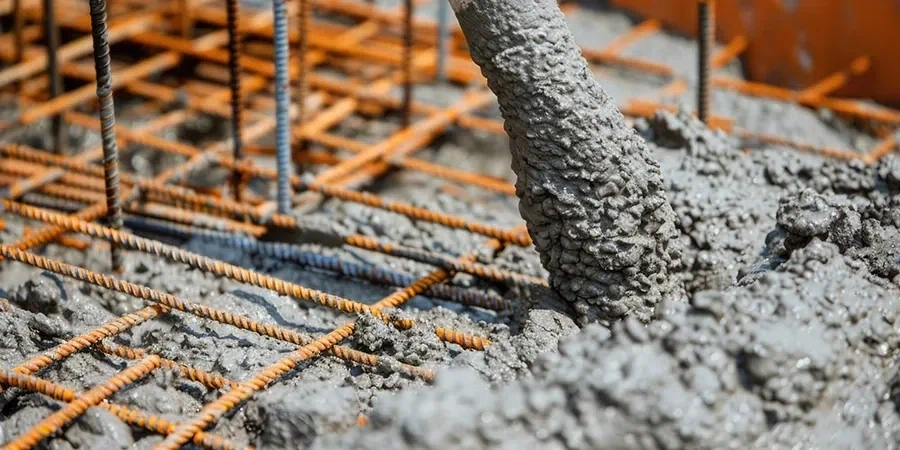
Our process delivers a clear, actionable path from site assessment to construction. We begin with a targeted subsurface exploration program, followed by detailed analysis and the delivery of a comprehensive geotechnical report. This report provides explicit foundation options, bearing resistance values, settlement estimates, and seismic design parameters per the current National Building Code of Canada. The value lies in de-risking your investment; by precisely defining the ground conditions, we prevent costly over-design and eliminate the uncertainty that leads to construction delays and change orders. You receive a defensible, professional document ready for building permit submission, backed by direct local experience and a commitment to practical, buildable solutions.