In Maple Ridge, geotechnical investigation is shaped by the region’s glacial and alluvial deposits, steep terrain near the Golden Ears, and proximity to the Fraser River floodplain. Our category covers site characterization in accordance with the BC Building Code and CSA A23.3, from soil stratigraphy to bearing capacity and seismic site class determination. Field programs often begin with a CPT (Cone Penetration Test) for continuous profiling in soft soils, paired with selective sampling to resolve liquefaction potential and settlement under local groundwater conditions.
This work underpins foundation design for single-family homes on hillside lots, townhouse developments, and municipal infrastructure upgrades. For cohesive soils, we supplement CPT data with laboratory strength testing and recommend follow-up with settlement monitoring during construction near sensitive slopes. Deep foundation projects benefit from cross-referencing CPT results with pile load testing to validate capacity in variable subsurface conditions typical of the Maple Ridge uplands.
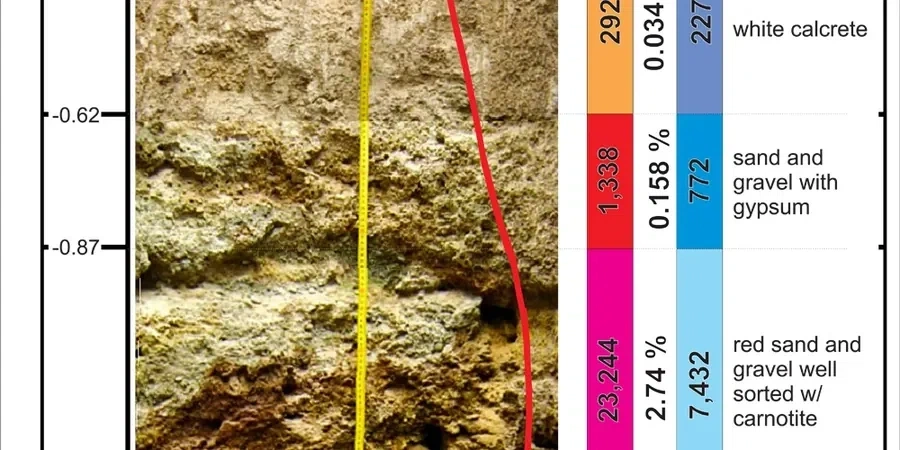
Geotechnical investigation in Maple Ridge must address the complex surficial geology shaped by the Fraser River, glacial Lake Coquitlam deposits, and the upland till and bedrock of the Coast Mountains. A properly scoped investigation program identifies the depth to competent bearing strata, liquefaction susceptibility, slope stability risks, and seasonal groundwater fluctuations. Given the municipality’s location within a high seismic hazard zone, site-specific shear-wave velocity profiling and Standard Penetration Test (SPT) data are essential to comply with the BC Building Code 2024 and the City of Maple Ridge’s Subdivision and Development Servicing Bylaw. Early integration of laboratory testing with field exploration reduces the risk of encountering undocumented fill, organic soils, or artesian conditions that are common in the Albion flats and Silver Valley corridors.
Field methodology follows CSA-A23.1 and ASTM International standards, with continuous sampling through overburden using hollow-stem augers or sonic drilling in cobbly formations. Where soft clays and silts of the Fort Langley Formation dominate, we deploy CPT (Cone Penetration Test) soundings with pore-pressure dissipation measurements to provide near-continuous stratigraphy and direct correlations to undrained shear strength. In granular deposits, in‑situ testing such as SPT N-value measurements and Becker penetration tests in gravels are calibrated to energy-corrected N₆₀ values for liquefaction assessment per the national seismic hazard model. The field density test (sand cone method) is routinely specified for engineered fill verification on City road widening and dike improvement contracts, where minimum 95% modified Proctor compaction is mandated within the structural fill zone.
Typical projects in Maple Ridge range from hillside residential subdivisions on Silver Valley Road to light industrial warehouses in the Albion Flats and Fraser River frontage developments. Many lots near Kanaka Creek and the South Alouette River contain compressible organic silts requiring preload surcharging or rigid inclusion Improvement to limit post-construction settlement below 25 mm. For foundation design on steep terrain, we combine exploratory drilling with grain size analysis (sieve + hydrometer) and Atterberg limits testing to classify colluvial soils and assess their drained shear strength for retaining wall and foundations design. Monitoring well installation during the investigation also provides the long-term groundwater data required for deep excavation dewatering permits under the Water Sustainability Act.
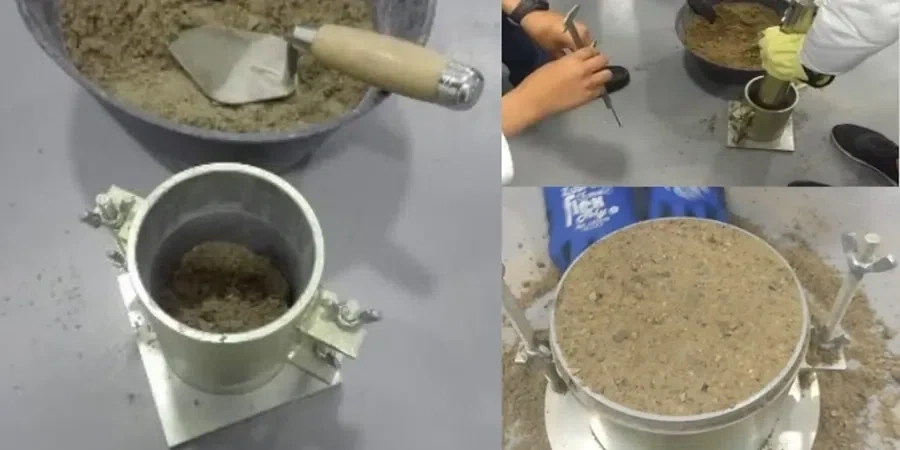
Upon completing the field program, all disturbed and undisturbed samples undergo index and performance testing at our accredited laboratory. The final geotechnical report delivers factual borehole and CPT logs, laboratory test summary tables, interpreted subsurface profiles, and clear design parameters for bearing capacity, lateral earth pressure, and seismic site class. Our Maple Ridge clients receive a single document that satisfies the geotechnical submission requirements of the City’s building permit checklist and provides the technical basis for value-engineered earthworks and structural design.